
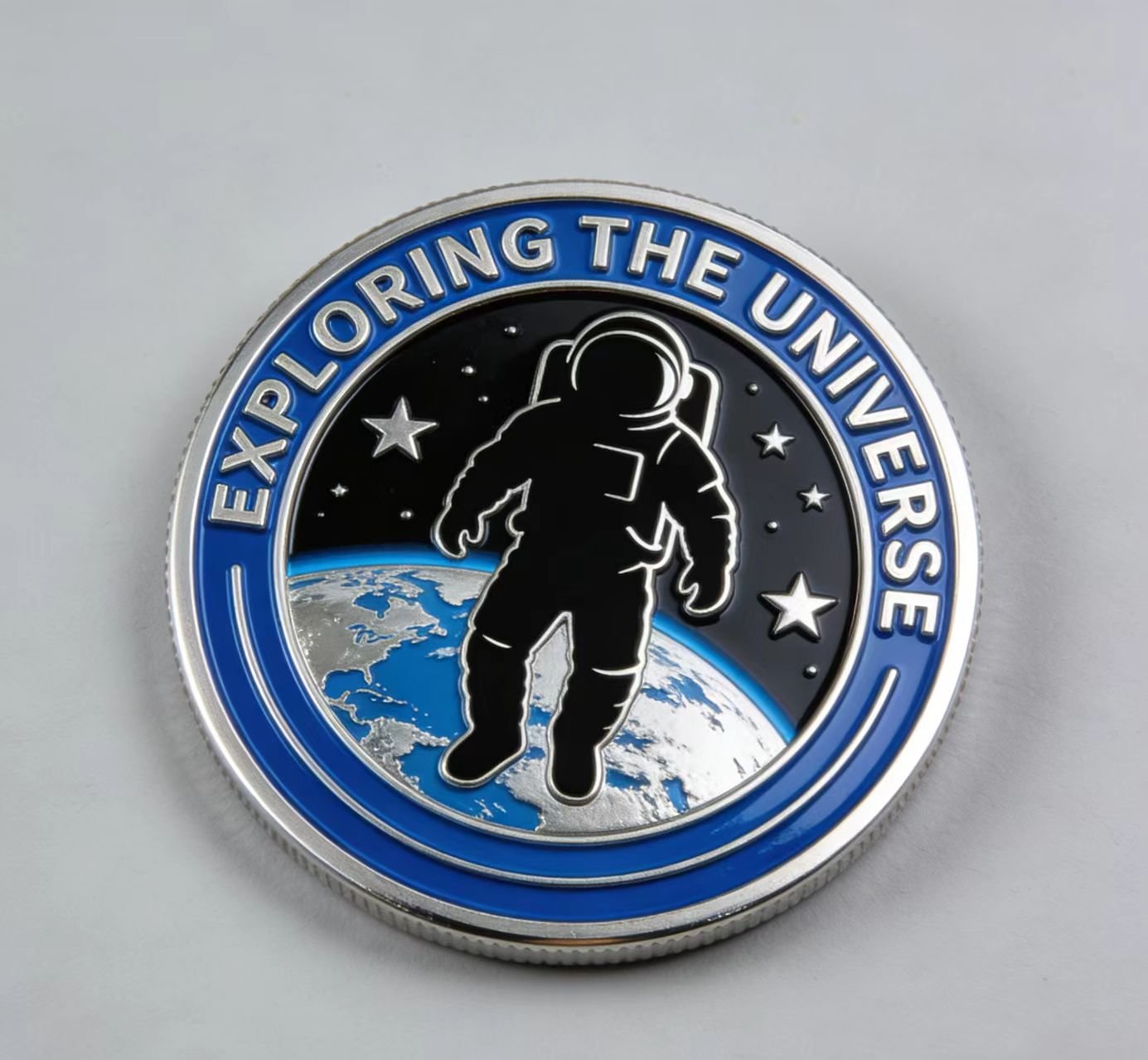
How Custom Metal Pins Are Made: Materials & Enamel Guide
Custom metal pins are one of the most versatile and cost-effective promotional products on the market. From corporate branding to collectible merchandise, their value lies in the combination of materials, craftsmanship, and finishing techniques.
In this complete guide, we will walk you through the full metal pin manufacturing process, including key techniques such as plating, enamel, UV printing, epoxy coating, and more—along with their advantages, disadvantages, and best-use scenarios.
What Are Metal Pins Made Of?
Before diving into the processes, it’s important to understand that most custom pins are made from:
- Zinc alloy (best for complex shapes)
- Brass (premium quality and fine details)
- Iron (cost-effective and simple designs)
The material you choose directly impacts which manufacturing processes can be applied.
1. Die Casting Process (Base Formation)
Die casting is the foundation of most custom metal pins.
Molten metal (usually zinc alloy) is injected into a precision mold to form the shape of the pin.
Advantages:
- Ideal for 3D designs and complex structures
- High production efficiency
- Consistent quality in bulk orders
Disadvantages:
- Higher mold cost initially
- Not ideal for ultra-thin designs
Best for: Custom shapes, 3D pins, high-detail designs
2. Electroplating Process (Surface Finishing)
Electroplating adds a metallic coating to the pin surface, enhancing both appearance and durability.
Common plating options:
- Gold plating
- Silver plating
- Nickel plating
- Black nickel
- Antique finishes
Advantages:
- Improves corrosion resistance
- Enhances visual appeal
- Multiple color tone options
Disadvantages:
- Can wear over time with heavy use
- Premium finishes increase cost
Best for: All types of metal pins
3. Soft Enamel (Paint Fill) Process
Soft enamel (also called painted pins) is one of the most popular techniques.
Color is filled into recessed areas, creating a textured surface.
Advantages:
- Vibrant colors
- Cost-effective
- Fast production
Disadvantages:
- Surface is not completely smooth
- Slightly less premium feel compared to hard enamel
Best for: Promotional pins, large quantity orders
4. Imitation Hard Enamel Process
Imitation hard enamel (also known as synthetic enamel) creates a smooth, polished surface.
After filling, the surface is polished flat, making metal and color flush.
Advantages:
- Smooth, premium finish
- Highly durable
- Scratch-resistant
Disadvantages:
- Higher cost than soft enamel
- Longer production time
Best for: High-end pins, corporate gifts, collectibles
5. UV Printing Process
UV printing allows direct printing of complex images onto the pin surface.
Advantages:
- Supports gradients and detailed artwork
- Ideal for photographic designs
- No color limitations
Disadvantages:
- Less tactile compared to enamel
- May fade over long-term exposure
Best for: Complex logos, detailed illustrations
SEO keywords: UV printed pins, custom printed badges
6. Epoxy Coating Process
Epoxy is a transparent resin layer applied over the surface.
Advantages:
- Protects surface from scratches
- Adds glossy finish
- Enhances durability
Disadvantages:
- Slightly reduces metallic texture
- Adds extra production step
Best for: Enhancing durability and shine
7. Glitter / Quicksand Process
This creative technique adds moving glitter or particles inside a transparent layer.
Advantages:
- Eye-catching and interactive
- Unique visual effect
- High perceived value
Disadvantages:
- More complex production
- Higher cost
Best for: Fashion pins, novelty items, collectibles
8. Cut-Out / Hollow Design
This technique removes parts of the metal to create hollow sections.
Advantages:
- Lightweight
- Unique visual depth
- Elegant appearance
Disadvantages:
- Requires precise mold design
- Not suitable for very small details
Best for: Artistic designs, premium badges
Combined Techniques (Advanced Customization)
Many high-end custom pins use a combination of processes to achieve better results.
Soft Enamel + Epoxy Coating
Features:
- Smooth protective surface
- Vibrant colors with added durability
Best for:
Mass production with improved quality feel
Hard Enamel + Epoxy Coating
Features:
- Ultra-smooth surface
- Maximum protection
Best for:
Premium collectibles and long-term use
How to Choose the Right Process for Your Pin
Choosing the right combination depends on:
Budget
- Low budget → Iron + soft enamel
- High budget → Brass + hard enamel
Design Complexity
- Simple logos → Stamping + enamel
- Complex artwork → UV printing
Target Market
- Promotional → Cost-effective solutions
- Retail / collectible → Premium finishes
Get a Free Quote for Custom Metal Pins
Custom metal pin manufacturing is a combination of engineering precision and artistic creativity. Each process—from die casting to plating, coloring, and finishing—plays a critical role in the final product.
Looking to create high-quality custom pins?
- Send us your design
- Get expert process recommendations
- Receive a fast quotation
Contact us today to start your custom metal pin project.
