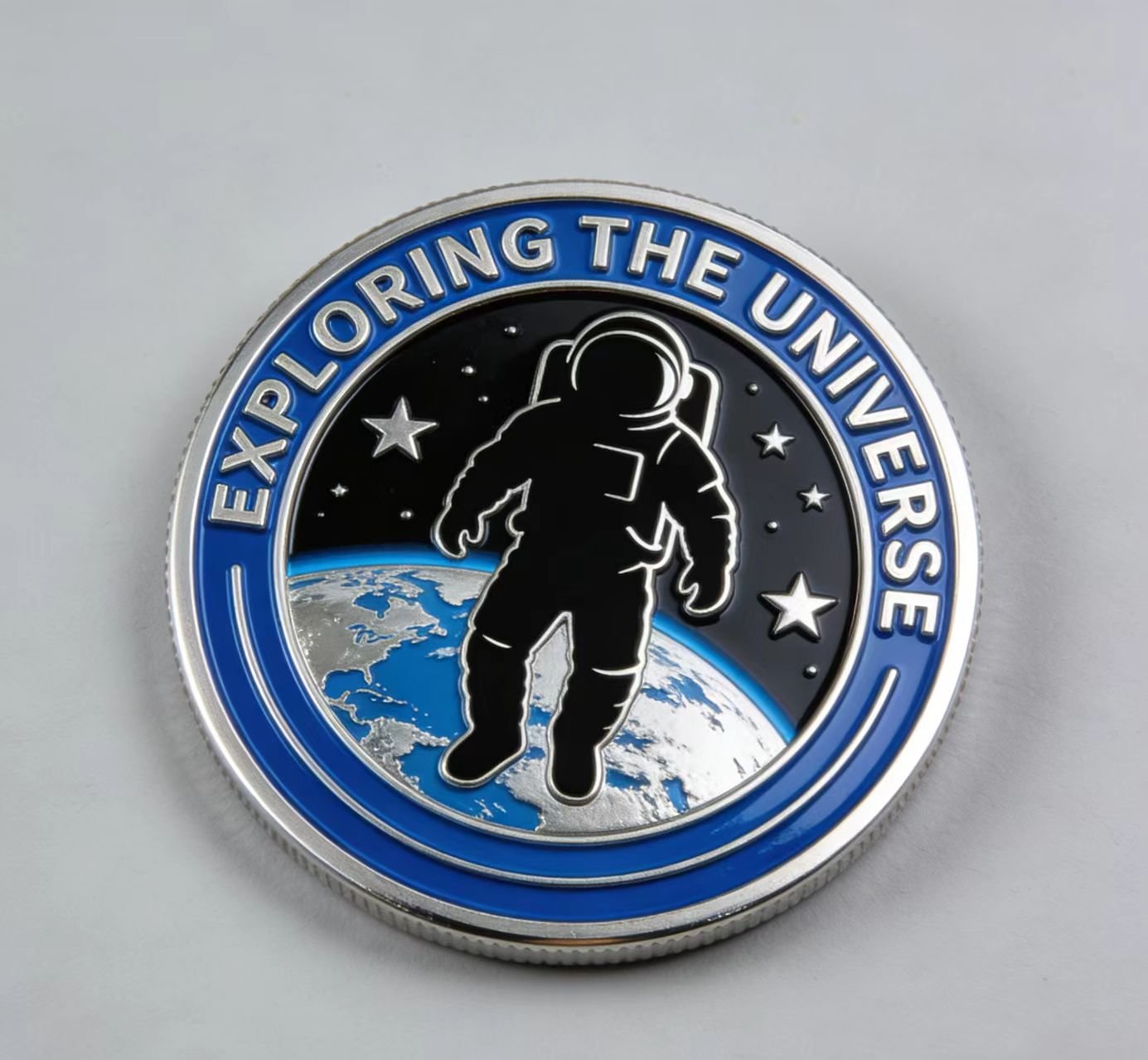
How Custom Metal Pins Are Made: Materials & Enamel Guide
How Custom Metal Pins Are Made: Materials & Enamel Guide
Custom metal pins are one of the most versatile and cost-effective promotional products on the market. From corporate branding to collectible merchandise, their value lies in the combination of materials, craftsmanship, and finishing techniques.
In this complete guide, we will walk you through the full metal pin manufacturing process, including key techniques such as plating, enamel, UV printing, epoxy coating, and more—along with their advantages, disadvantages, and best-use scenarios.
Before diving into the processes, it’s important to understand that most custom pins are made from:
- Zinc alloy (best for complex shapes)
- Brass (premium quality and fine details)
- Iron (cost-effective and simple designs)
The material you choose directly impacts which manufacturing processes can be applied.
1. Die Casting Process (Base Formation)
Die casting is the foundation of most custom metal pins.
Molten metal (usually zinc alloy) is injected into a precision mold to form the shape of the pin.
Advantages:
- Ideal for 3D designs and complex structures
- High production efficiency
- Consistent quality in bulk orders
Disadvantages:
- Higher mold cost initially
- Not ideal for ultra-thin designs
Best for: Custom shapes, 3D pins, high-detail designs
2. Electroplating Process (Surface Finishing)
Electroplating adds a metallic coating to the pin surface, enhancing both appearance and durability.
Common plating options:
- Gold plating
- Silver plating
- Nickel plating
- Black nickel
- Antique finishes
Advantages:
- Improves corrosion resistance
- Enhances visual appeal
- Multiple color tone options
Disadvantages:
- Can wear over time with heavy use
- Premium finishes increase cost
Best for: All types of metal pins
3. Soft Enamel (Paint Fill) Process
Soft enamel (also called painted pins) is one of the most popular techniques.
Color is filled into recessed areas, creating a textured surface.
Advantages:
- Vibrant colors
- Cost-effective
- Fast production
Disadvantages:
- Surface is not completely smooth
- Slightly less premium feel compared to hard enamel
Best for: Promotional pins, large quantity orders
4. Imitation Hard Enamel Process
Imitation hard enamel (also known as synthetic enamel) creates a smooth, polished surface.
After filling, the surface is polished flat, making metal and color flush.
Advantages:
- Smooth, premium finish
- Highly durable
- Scratch-resistant
Disadvantages:
- Higher cost than soft enamel
- Longer production time
Best for: High-end pins, corporate gifts, collectibles
5. UV Printing Process
UV printing allows direct printing of complex images onto the pin surface.
Advantages:
- Supports gradients and detailed artwork
- Ideal for photographic designs
- No color limitations
Disadvantages:
- Less tactile compared to enamel
- May fade over long-term exposure
Best for: Complex logos, detailed illustrations
SEO keywords: UV printed pins, custom printed badges
6. Epoxy Coating Process
Epoxy is a transparent resin layer applied over the surface.
Advantages:
- Protects surface from scratches
- Adds glossy finish
- Enhances durability
Disadvantages:
- Slightly reduces metallic texture
- Adds extra production step
Best for: Enhancing durability and shine
7. Glitter / Quicksand Process
This creative technique adds moving glitter or particles inside a transparent layer.
Advantages:
- Eye-catching and interactive
- Unique visual effect
- High perceived value
Disadvantages:
- More complex production
- Higher cost
Best for: Fashion pins, novelty items, collectibles
8. Cut-Out / Hollow Design
This technique removes parts of the metal to create hollow sections.
Advantages:
- Lightweight
- Unique visual depth
- Elegant appearance
Disadvantages:
- Requires precise mold design
- Not suitable for very small details
Best for: Artistic designs, premium badges
Combined Techniques (Advanced Customization)
Many high-end custom pins use a combination of processes to achieve better results.
Soft Enamel + Epoxy Coating
Features:
- Smooth protective surface
- Vibrant colors with added durability
Best for:
Mass production with improved quality feel
Hard Enamel + Epoxy Coating
Features:
- Ultra-smooth surface
- Maximum protection
Best for:
Premium collectibles and long-term use
How to Choose the Right Process for Your Pin
Choosing the right combination depends on:
Budget
- Low budget → Iron + soft enamel
- High budget → Brass + hard enamel
Design Complexity
- Simple logos → Stamping + enamel
- Complex artwork → UV printing
Target Market
- Promotional → Cost-effective solutions
- Retail / collectible → Premium finishes
Custom metal pin manufacturing is a combination of engineering precision and artistic creativity. Each process—from die casting to plating, coloring, and finishing—plays a critical role in the final product.
Looking to create high-quality custom pins?
- Send us your design
- Get expert process recommendations
- Receive a fast quotation
Contact us today to start your custom metal pin project.
Related Reading
Featured Products
Detailed Manufacturing Process
Producing high-quality custom enamel pins requires a tightly coordinated sequence of steps. After design approval, our engineering team creates the steel tooling (mold) using CNC machining — a process that takes 3–5 business days. The mold is then mounted on a precision stamping press operating at 30–60 tons of force, depending on the metal thickness. Each blank is struck under controlled pressure to capture the design details at sub-millimeter precision. After stamping, the pieces undergo deburring, polishing, and pre-plating cleaning to remove any oxidation. Plating (gold, silver, nickel, antique, or rose gold) is applied in successive baths under controlled current and temperature for consistent color and corrosion resistance.
For enamel-filled designs, each color is filled by hand under magnification using needle-tip syringes — a process called soft enamel filling. After filling, the pieces are baked at 180–220°C to cure the enamel and lock the color. Hard enamel pieces undergo an additional grinding and polishing step to create a flat, jewelry-like surface flush with the metal lines. Photo-etched designs use a chemical milling process that creates thinner, more detailed pieces ideal for ultra-fine artwork.
Material Selection Guide
Material choice directly affects the look, feel, weight, and price of your finished product. Zinc alloy is the most popular choice — offering excellent detail reproduction, good plating adhesion, and competitive pricing at scale. Brass provides a premium weight and warmer color tone, ideal for luxury collectibles and corporate awards. Stainless steel offers superior durability and corrosion resistance — recommended for outdoor or marine use. Copper develops a distinctive patina over time, prized in antique-style designs. Iron is the most economical option for very large bulk orders where weight and refined detail are less critical.
Quality Control Standards
Every batch we produce passes through a four-stage QC process: (1) In-process inspection — every 100 pieces during stamping, comparing against the master sample for dimensional accuracy and pattern alignment; (2) Plating QC — visual and tape-pull tests to verify plating uniformity and adhesion; (3) Color QC — Pantone color matching under standardized D65 daylight conditions, with a tolerance threshold of ΔE ≤ 2.0 for premium orders; (4) Final inspection — 100% visual inspection plus sampling for weight, attachment strength, and packaging integrity. Defective pieces are removed before shipment.
Pricing Reference & Minimum Order Quantity
Our standard minimum order quantity (MOQ) for custom enamel pins is 300–500 pieces per design. Pricing varies based on size, thickness, plating, enamel colors, attachment type, and packaging — typical price ranges are USD $0.30–$3.00 per piece in bulk. Sample fees of USD $20–$80 are refundable against the bulk order. Rush production (50% lead time reduction) is available for an additional 20–30% fee.
TODO (Business team to complete): Insert actual pricing tier table for custom enamel pins (size × material × quantity matrix) with current 2026 rates. Confirm sample fees and rush production surcharges with sales team.
Real-World Use Cases
Our custom enamel pins have been used by clients across diverse industries — corporate branding programs, military and police units, sports clubs, educational institutions, religious organizations, music festivals, and souvenir retailers. Common applications include employee recognition awards, fan merchandise, fundraising campaigns, conference giveaways, and limited-edition collector series.
TODO (Business team to complete): Add 3-5 real customer testimonials with company names, project photos, and project scale (units produced, design complexity, delivery timeline). Reference actual orders from CRM/order history.
Frequently Asked Questions
For additional questions about MOQ, lead times, shipping, payment terms, and material options, please visit our complete FAQ page. For specific design consultations, contact our team via the contact page or WhatsApp +86 13480251761.